



VOCATIONAL BACCALAUREATE IN PHOTOGRAPHY

VOCATIONAL BACCALAUREATE IN PHOTOGRAPHY – UNDERWATER OPTION

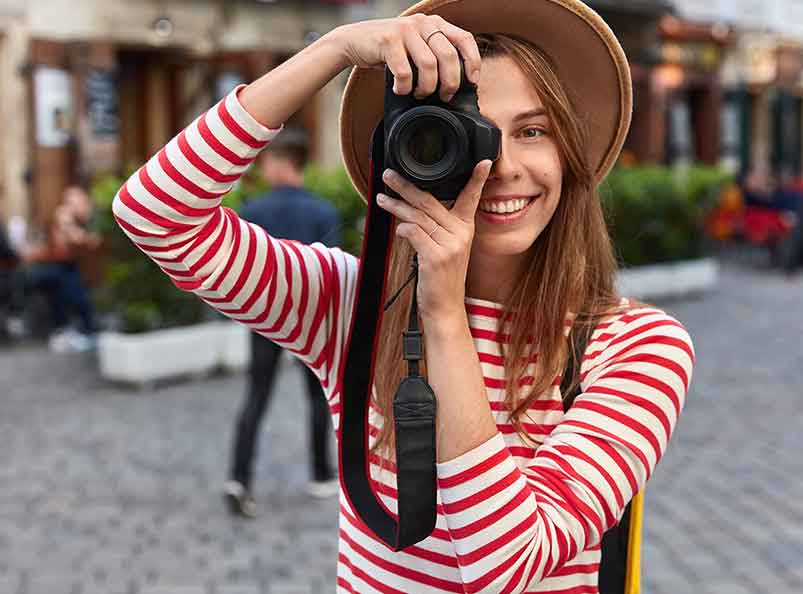
This training prepares students for careers as photographer assistants, laboratory technicians, and photo shop operators. It covers the main activities of image capture and image processing. Shoots can be carried out in a studio: portraits, fashion photography, or product photography (advertising objects), or outdoors. Students perform the appropriate technical settings for lighting, lens, focus, and shutter speed through courses in image capture techniques and applied technology.

Analog image processing is carried out from the printing of photo types regardless of the printing system used: optical or digital, positive or negative, opaque or transparent. For digital image processing, students retrieve the files and digitize them to proceed with editing: compositing, clipping, retouching, contrast adjustments. They output the image using any process (network, burning, printer). They use various capture formats for motion pictures as well as editing and image-processing software. They also prepare quotations and manage product inventory.

Graduates may work in press or illustration agencies, private studios, photography departments in local authorities and institutions, photo equipment stores, or as freelancers.
Students in this vocational program must sit for the BEP Photography exams (optional for apprentices).


TRAINING CONTENT

This 3-year program includes general, technological, and professional courses as well as 22 weeks of workplace training. Today’s photographer is a technician able to adapt to the evolution of industry processes and technologies.
They carry out numerous image-processing operations using digital devices and technologies. They are able to perform high-quality retouching and photographic compositing using dedicated software (Photoshop, Lightroom). The vocational baccalaureate graduate masters lighting, framing, and composition techniques. Their knowledge of the full graphic and editorial production chain allows them to adapt their work to reproduction processes and image usage.

REQUIRED QUALITIES

Certain qualities are essential before starting a career in photography, such as:
 • A strong sense of observation
 • Patience
 • Discretion
 • Perseverance
 • Self-confidence

COURSES

PROFESSIONAL COURSES
 • Specialized professional courses
 • Co-teaching: professional courses and French
 • Co-teaching: professional courses and math/science
 • Completion of a signature project
 • Health, safety, and environment

GENERAL COURSES
 • French
 • History, geography, and civic education
 • Mathematics
 • English as a foreign language
 • Physics and chemistry
 • Applied arts and artistic culture
 • Physical education and sports
 • Consolidation, personalized support, and orientation guidance

WORKPLACE TRAINING
 • 22 weeks of workplace training (3 years)

ADMISSION REQUIREMENTS AND ENROLLMENT

The program is open to students after Year 9 in middle school or after the first year of general, technological, or vocational high school. Admission is based on an academic and artistic portfolio presented during an interview day.
The artistic portfolio must include personal and school work.
It must be as comprehensive as possible and may include drawings, sketches, photos, videos, digital artwork, models, etc.
Students in the first year of another program may request direct entry into the first vocational year (11th grade) of the Photography program, subject to approval.

AND AFTER? CAREER PATHS AND FURTHER STUDIES

The main objective of this vocational baccalaureate is to continue studying in a BTS program, but entering the workforce remains possible.

With a strong academic record or honors at the exam, graduates may pursue studies such as:
 • BTS Photography
 • Visual communication schools
 • Art schools specializing in photography
 • Photography schools

UNDERWATER PHOTOGRAPHY OPTION

ORGANIZATIONAL OBJECTIVE FOR THE SUSTAINABILITY OF THE OPTION

- 10th grade class : pool photography introduction + Level 1 technical dives with Abyss (3 days at sea = 5 supervised dives).
- 11th grade class : 2 pool video sessions + Level 1 video certification with Laurent Maignot and his team (3 days at sea = 5 supervised dives); a boat and full diving equipment will be required (suits, masks, fins, tanks).
- 12th grade class : 2 pool photography sessions + Level 1 photography certification with Laurent Maignot and his team (3 days at sea = 5 supervised dives); a boat and full diving equipment will be required (suits, masks, fins, tanks).

Additional half-day pool sessions during winter will complement the sea training. Students will carry out staged underwater shoots (easier than at sea: clear water, no waves, minimal light loss, easy access, etc.). The photographs produced will enrich the students’ portfolios, used for the baccalaureate exam, admissions to photography schools, and job interviews.

These winter exercises will allow students to maintain their sea-acquired skills while improving underwater stabilization in preparation for Level 1 underwater photography certification.

After the baccalaureate.
Some institutions to give you an idea.

What to do after the baccalaureate?

This training prepares students for careers as photographer assistants, laboratory technicians, and photo shop operators. It covers the main activities of image capture and image processing.